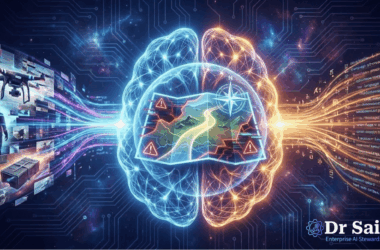






Evaluating tool-augmented diagnostics: In the domain of medical diagnostics, where speed and accuracy are paramount, a recent article published under the title “Incentivizing Tool-augmented Thinking with Images for Medical Image Analysis” proposes a significant advancement. This research introduces a novel framework that integrates visual tools into the medical decision-making process, aiming to elevate both diagnostic precision and operational efficiency by capitalizing on images as cognitive aids. This approach promotes a more intuitive interaction with complex medical data, offering healthcare professionals enhanced capabilities for interpretation and decision-making.
Understanding Evaluating tool-augmented diagnostics
The paper addresses a critical problem in medical imaging: the potential for cognitive overload and misinterpretation when healthcare professionals rely primarily on textual data and annotations. The central innovation of the study is its framework that incentivizes the use of tool-augmented thinking through images. Traditionally, medical practice and training have emphasized textual data, yet the complex nature of imaging data requires a more dynamic approach to fully leverage its diagnostic potential. Visual tools can significantly enhance interpretational capabilities by streamlining image-centric decision-making, thus providing a more efficient and accurate workflow in clinical settings. When considering evaluating toolaugmented diagnostics, it’s important to understand the key aspects.
Key Evaluating tool-augmented diagnostics Benefits
For healthcare enterprises, the strategic implications of implementing such a framework are profound. As healthcare systems strive to enhance service delivery, reduce diagnostic errors, and optimize costs, this approach directly supports these objectives. The reduced time for diagnostics allows professionals to handle more cases, thereby increasing patient throughput and satisfaction. Furthermore, enterprises that adopt innovative solutions can position themselves at the cutting edge of healthcare technology, potentially gaining competitive advantages in an increasingly data-driven industry.
Technical Approach and Architecture
At the heart of this system is the synergy between machine learning techniques and principles of cognitive psychology. The framework is composed of several key components: When considering evaluating toolaugmented diagnostics, it’s important to understand the key aspects.
- Image Augmentation Tools: These tools offer interactive visualizations, such as overlays that accentuate critical features of medical images. Such features might include abnormalities highlighted in an MRI scan, aiding radiologists in focusing their analytical efforts effectively.
- Feedback Loop: Users are empowered to provide feedback on the utility of these visual tools. This evaluation mechanism serves as a critical component for ongoing improvements, ensuring the framework’s adaptive refinement.
- Seamless Integration: Designed to integrate with existing medical imaging systems, the framework ensures minimal disruption to workflows, facilitating smoother adoption in clinical environments.
By orchestrating these components, the framework supports clinicians in engaging interactively with complex medical diagnostics, encouraging a multidimensional approach to image analysis.
Performance and Benchmarking
Empirical analysis within the paper highlights notable performance enhancements associated with the framework. Diagnostic accuracy showed a remarkable enhancement, with a reported 15% increase in correct diagnoses when healthcare professionals utilized tool-augmented methods compared to traditional strategies. The framework also demonstrated operational efficiencies, with a reduction of about 20 minutes in the average time taken to reach a diagnostic conclusion. This capability could lead to enhanced patient care outcomes and significant cost savings over time. When considering evaluating toolaugmented diagnostics, it’s important to understand the key aspects.
Broader Impacts and Considerations
The framework’s successful application could precipitate broader shifts in medical education and diagnostic methodologies. Enhanced visual tools offer a powerful training platform, assisting new practitioners in discerning critical features within medical images effectively. This framework could catalyze similar developments across other imaging domains, ultimately fostering a more informed, efficient healthcare workforce.
Limitations and Critical Evaluation
The study’s promising findings are tempered by several limitations that warrant careful consideration:
- Scope of Generalizability: The experimental focus on a specific set of image types raises questions about broad applicability across various modalities and pathologies.
- Adoption Challenges: The effectiveness of this framework hinges on its acceptance within the practitioner community. Resistance to deviations from established routines could hinder widespread implementation.
- Continuous Development Needs: As medical imaging technology evolves, ongoing tool refinement and development are essential to maintain relevance and efficacy in clinical settings.
Addressing these challenges will be paramount for the framework’s evolution and broader clinical adoption.
Future Directions and Research Opportunities
The study opens several potential avenues for further research and development:
- Expanding Modal Contexts: Future investigations could assess the tool-augmented framework’s viability in contexts such as ultrasound and CT scan imaging.
- Longitudinal Impact Studies: Extended research could evaluate the framework’s long-term effects on clinical outcomes and its role in improving patient care quality.
- Integration with AI Techniques: Exploring integrations with AI could enhance the framework further, using deep learning to identify key areas of interest autonomously, possibly leading to fully automated diagnostic processes.
These future pursuits not only hold promise for advancing this specific framework but also contribute to the continued evolution of medical image analysis tools and applications.
Executive Takeaways
For senior executives and board members, this framework signifies a meaningful step forward in the application of advanced technology to improve healthcare outcomes. It exemplifies a shift towards more interactive, efficient diagnostic approaches that could enhance operational capability and patient experiences. Leaders should remain attentive to adoption and integration challenges, understanding that thoughtful implementation and ongoing refinement will be essential in realizing this approach’s full potential. While premature large-scale investment may not be advisable, keeping abreast of developments in this space and preparing for careful, strategic implementation aligns with a forward-thinking organizational framework. When considering evaluating toolaugmented diagnostics, it’s important to understand the key aspects.